Guide


Are scaffold tags
a legal requirement?
In New Zealand, yes — for every scaffold, regardless of height. In the UK and under Australian model guidance, no. Here is what each regulator actually says, quoted, with the sources.
New Zealand
Yes
All scaffolds, regardless of height, must have a tag at access points, and WorkSafe lists what it has to show.
United Kingdom
No
Fixing tags is not mandatory. Inspection and recording in the scaffold register are. NASC recommends electronic devices anyway.
Australia
Not in the guidance read
Safe Work Australia’s inspection guide does not mention tags. NSW treats them as useful, but not a substitute for a handover certificate.
New Zealand — mandatory, with a defined content set
WorkSafe New Zealand’s Good Practice Guidelines are unambiguous. All scaffolds, regardless of height, must have a tag clearly displaying important safety information at access points. There is one narrow exception: minor scaffolds may be excluded where appropriate for the situation, meaning lightweight, portable, single-bay scaffolds with a working platform no higher than 2 metres.
The guidelines also list what the tag has to carry, and it is more than a date. The status of the scaffold — SCAFFOLD SAFE or SCAFFOLD UNSAFE. The name and contact phone number of the certified scaffolder, or the erector if the scaffold is under 5 metres. The purpose or intended use. The duty loadings. The maximum number of platforms or bays that may be loaded. Any limitations on use. And a record of each inspection, including who inspected or altered the scaffold and when.
That last item is the one that catches people out. Inspection records can sit on a separate register or on the tag itself — WorkSafe allows either — but they have to exist and be signed by whoever carried out the inspection, and the record or register must be kept on site.
United Kingdom — not required, and recommended anyway
The UK position is the one most often misrepresented, usually by people selling tags. NASC guidance draws a clear line between what the law compels and what industry recommends.
What is mandatory is inspection and the paperwork behind it. Under regulation 12 of the Work at Height Regulations 2005, a working platform from which someone could fall 2 metres or more must be inspected before first use, at intervals of no more than 7 days, and after anything liable to jeopardise its safety. The inspector must produce a report containing the eight Schedule 7 particulars. Recording in the scaffold register is mandatory. Hanging a tag is not.
That does not make tags pointless — NASC says the opposite in the same breath. But a UK contractor who tells you tags are a legal requirement is wrong, and a supplier who implies it is selling on a false premise.
“While scaffold inspections and recording in the scaffold register are mandatory, the fixing of scaffold inspection tags or electronic scaffold inspection devices is not; however, the latter are very useful in informing workers that the scaffold is safe (or unsafe) to work on and are recommended by the NASC.”
Australia — and why a tag is not a handover certificate
Safe Work Australia’s Guide to Scaffold Inspection and Maintenance does not mention scaffold tags at all. What it requires is that unauthorised access is prevented while a scaffold is incomplete or unattended — a control, not a specific artefact. How you achieve that is left to you.
SafeWork NSW’s Scaffolding Industry Safety Standard goes further, and its wording is worth reading closely if you have ever been told a tag covers your handover obligations. It describes tags as a useful indicator at the entry point of when the scaffold was last inspected — and then says plainly that they typically do not include the minimum amount of information required for a valid handover certificate, and so cannot be used as one.
For incomplete scaffolds the same standard asks for access to be physically blocked and for signage that clearly indicates access is not allowed, including phone contact details for the responsible scaffold company or authorised person.
One honest caveat: this section reflects Safe Work Australia’s model guidance and the NSW standard, which are the two documents we have read in full. Victoria is not a model WHS jurisdiction and other states publish their own instruments. Check what applies where you work rather than assuming a national answer.
“They typically do not include the minimum amount of information required for a valid handover certificate, and thus cannot be used as such.”
What this means if you are choosing a tagging system
The three positions point the same way for different reasons. New Zealand requires a tag and specifies a content list long enough that a plastic insert struggles to hold it — status, contact details, intended use, duty loadings, loaded bay limits, limitations, and a running inspection record. The UK does not require a tag but its industry body specifically recommends electronic scaffold inspection devices. Australia’s NSW standard identifies the exact failure mode of a conventional tag: it does not carry enough information to serve as the record people assume it is.
That is the gap a digital scafftag closes. The tag at the access point stays a tag — a scan gets you the scaffold’s status, its duty rating, its limitations and every inspection since handover, rather than a laminated card with a date written on it in marker.
Worth being precise about one thing: NASC recommends electronic scaffold inspection devices as a category. It does not endorse any product, including this one.
FAQs
Frequently Asked Questions
Scaffold tags, handover certificates and what each regulator actually asks for.
Yes. WorkSafe New Zealand’s Good Practice Guidelines state that all scaffolds, regardless of height, must have a tag clearly displaying important safety information at access points. Minor scaffolds may be excluded where appropriate — lightweight, portable, single bay, with a working platform no higher than 2 metres.
Sources
- WorkSafe New Zealand — Scaffolding in New Zealand: Good Practice Guidelines (November 2016), §8.16 Handover and tagging
- NASC SG35:21 — Handover of Scaffold Structures and First Scaffold Inspection (August 2021)
- Work at Height Regulations 2005, regulation 12
- Safe Work Australia — Guide to Scaffold Inspection and Maintenance
- SafeWork NSW — Scaffolding Industry Safety Standard (March 2022)
This page summarises published regulator and industry guidance and is not legal advice. Requirements differ by jurisdiction and change over time.

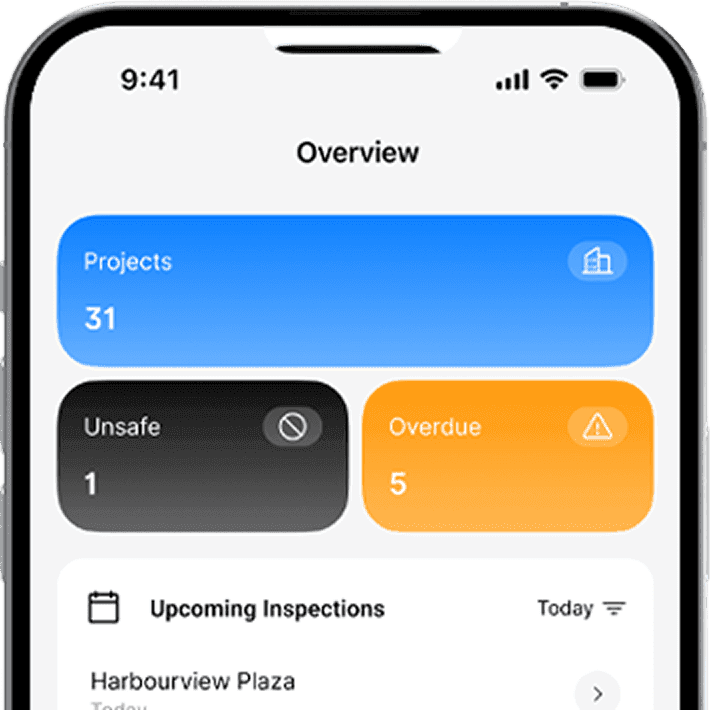
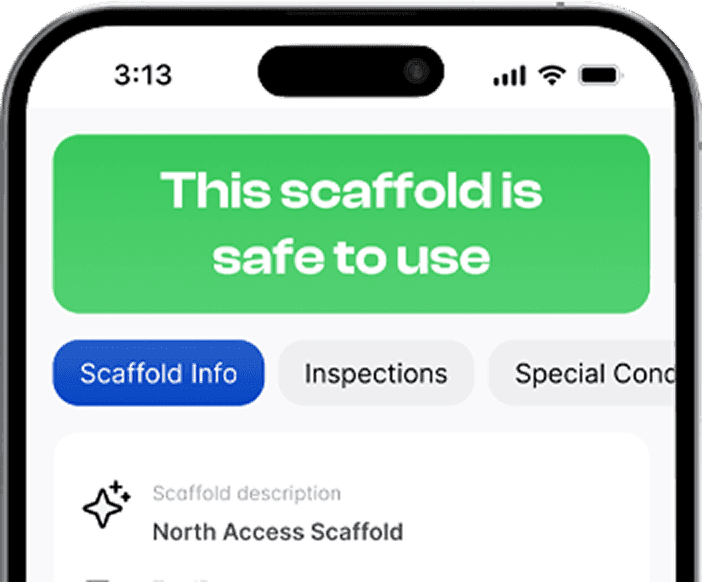
One tag, the whole scaffold record
Scafflinq keeps the scaffold, its handover and every inspection since behind a QR scafftag anyone on site can scan. Start free with 5 tags.